Signs Your Radon System Needs Repair
A radon reduction system works quietly, so it is easy to assume everything is fine. However, a failed fan, loose pipe, blockage, or damaged seal can reduce its performance. Because radon has no color or smell, testing is the only reliable way to know the level. Long-term exposure can increase lung cancer risk.
Knowing the signs your radon system needs repair can help you respond early. Some are visible, while others require testing or professional service.
How a Radon System Should Work
Most active systems use a fan and sealed pipe to draw soil gas from beneath the foundation and release it outdoors. A pressure gauge, or manometer, shows whether the fan creates suction.
The gauge does not measure indoor radon. It shows system pressure. A normal reading is based on the level recorded after installation. A working fan should run continuously and make a steady, low sound.
Seven Signs Your Radon System May Need Repair
1. The Pressure Gauge Is Level
Many manometers contain two columns of colored liquid. When the system is operating, the columns usually sit at different heights. If both sides are level, the fan may be off, the pipe may be blocked, or the system may have lost suction.
Compare the reading with the original system label. Do not adjust the gauge or assume one number fits every property. A technician can check pressure, airflow, power, and the suction point.
2. The Fan Is Silent
A radon fan should run all day. If you can no longer hear its normal sound, check whether a labeled switch or circuit breaker was turned off. Do not keep resetting a breaker that repeatedly trips.
A silent fan may have lost power or reached the end of its service life. The EPA notes that fans can last five years or more before repair or replacement may be needed.
3. The Fan Makes an Unusual Noise
Grinding, rattling, buzzing, or strong vibration can point to worn parts, loose hardware, moisture, or debris. A continuing noise should be checked.
Vibration may loosen connections over time. Radon fan replacement may be needed when the motor or housing no longer operates correctly.
4. A Warning Alarm Activates
Some systems use an alarm, monitor, or warning light when airflow or pressure changes. The alert does not measure indoor radon, but it shows that the system needs attention.
Confirm that power is available and check the system instructions. If the warning continues, arrange a radon system inspection. The EPA advises property owners to check warning devices regularly.
5. Radon Test Results Rise
An elevated result is an important warning. Higher readings may result from fan failure, soil changes, foundation movement, remodeling, or a different test location.
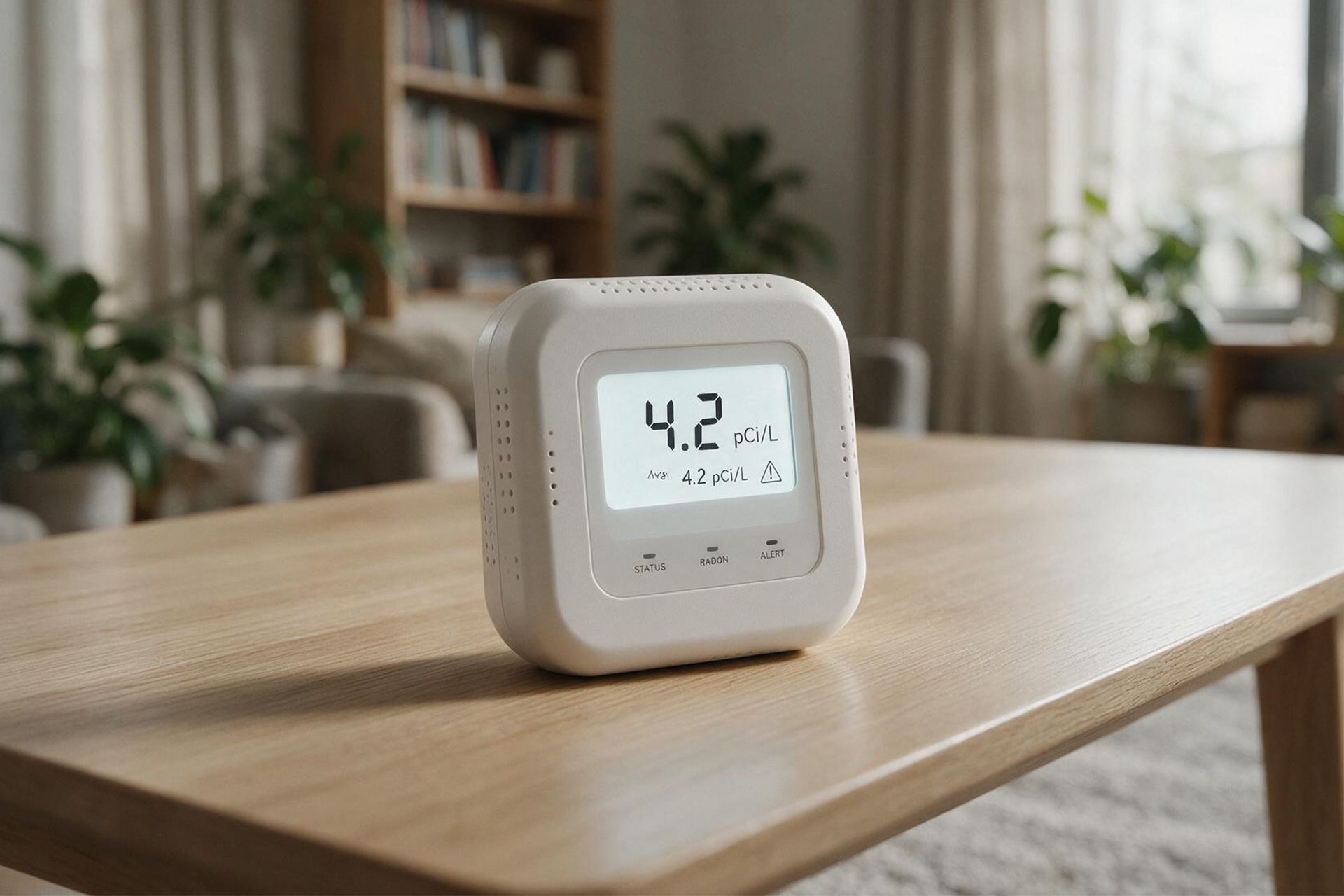
The EPA recommends action when a confirmed result is 4 picocuries per liter, or pCi/L, or higher. Michigan guidance recommends testing every two years, including properties with an installed system, because foundations and indoor conditions can change.
A professional can review the test location, system design, and airflow before recommending radon mitigation repair.
6. Pipes, Seals, or Covers Are Damaged
Visible damage can allow air leaks or reduce suction. Look for:
- Cracked or separated pipe joints: A loose fitting can leak soil gas or weaken airflow. Household tape is not a lasting repair.
- A loose sump cover: Systems connected to a sump need a tight cover. Gaps around the lid or lines may affect performance.
- Failed foundation seals: New cracks or damaged sealant near pipe entry points can change airflow beneath the slab.
- A damaged exhaust route: Storms, roofing work, siding work, or animal activity may affect outdoor components.
A visual check cannot replace testing, but it can reveal service needs.
7. The Property Has Changed
Finishing a basement, changing HVAC equipment, modifying a crawl space, installing drainage, or building an addition may affect pressure and airflow. The system may still run but perform differently.
After major work, complete a radon test and request a system review when needed. EPA guidance recommends retesting after remodeling because structural changes can reduce system effectiveness.
Safe Checks You Can Make
A few observations can help the service team understand the problem:
- Record the gauge reading: Compare it with the installer’s starting level and take a photo.
- Listen to the fan: Note whether it is silent, louder, or vibrating more than usual.
- Check visible power controls: Look for a tripped breaker or switched-off labeled outlet, but avoid electrical work.
- Review recent changes: Mention storms, roof work, foundation repairs, sump work, remodeling, or new test results.
- Inspect visible components: Look for loose joints, damaged pipe, failed seals, or a loose sump cover.
Do not open the fan, cut the pipe, or change settings without training. Incorrect work may create leaks or direct soil gas toward occupied areas.
What Happens During Radon System Repair?
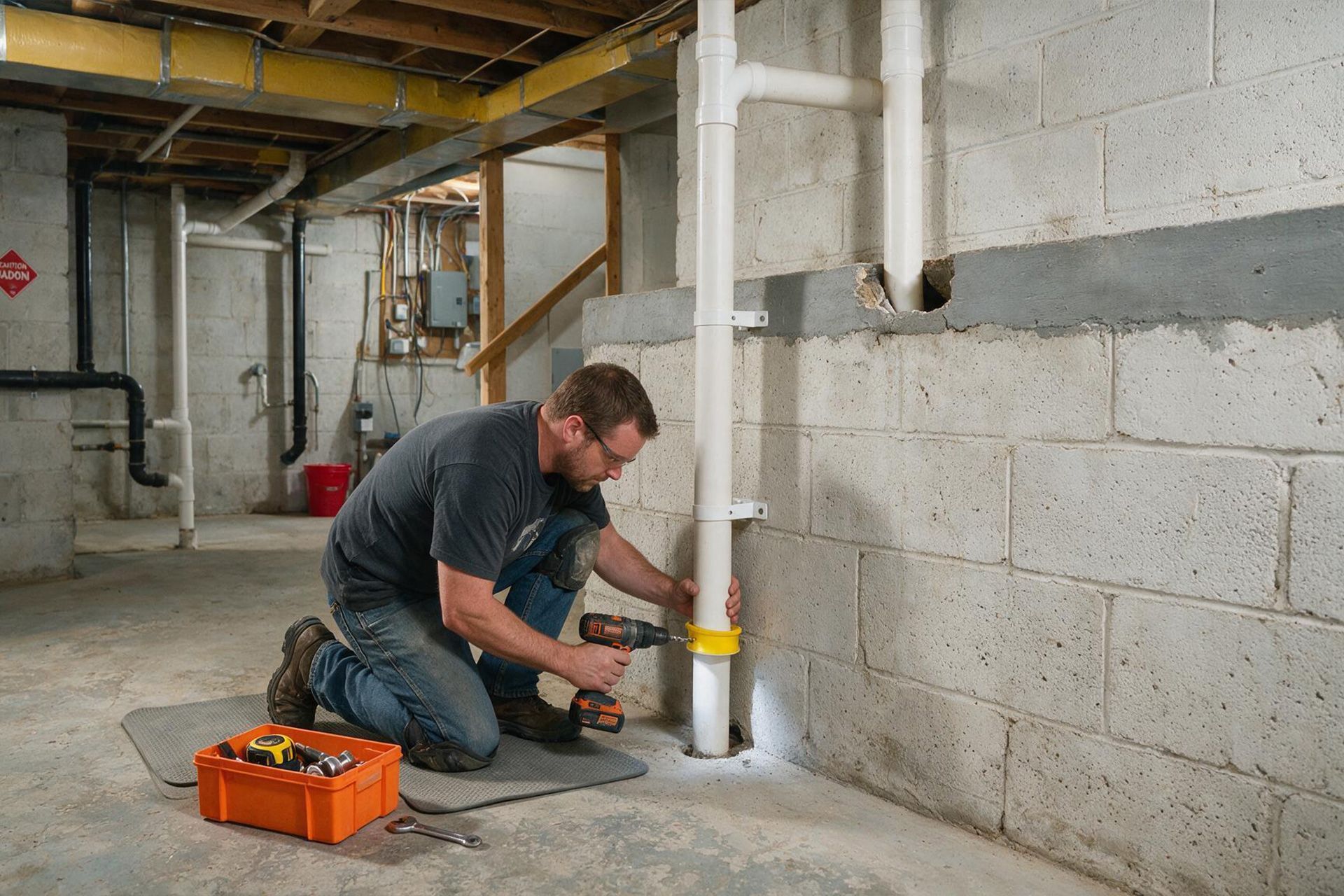
A technician may inspect the fan, gauge, alarm, power supply, vent route, connections, sump cover, seals, and suction point. Pressure and airflow measurements can identify the problem.
Service may include sealing a connection, correcting a loose cover, clearing a restriction, repairing a monitor, replacing a failed fan, or modifying the design after property changes. A larger fan is not always the answer. Performance depends on the foundation, soil movement, pipe layout, and available suction.
Radon testing after repair confirms performance. Keep the result, service notes, and updated gauge reading with the property records.
How to Reduce Future System Problems
Radon mitigation system maintenance is simple but should be consistent. Check the gauge and warning device monthly, learn the normal fan sound, and inspect outdoor parts after storms or exterior work.
Retest at least every two years and after remodeling, foundation changes, or repairs. A running fan does not prove that indoor levels remain low. Michigan officials encourage residents to use certified radon professionals, although the state does not license testers and mitigators.
Conclusion: Protect Your Indoor Air
A level gauge, silent fan, warning alarm, unusual noise, damaged component, or rising result can signal the need for radon system repair. Prompt service helps identify whether the issue involves power, airflow, seals, equipment, or property changes.
You should not have to guess about radon inside your home or business.
Elevate Radon Defense provides clear testing, property-specific mitigation, and reliable system service throughout Macomb, Oakland, Washtenaw, and Wayne counties.
Contact our team to discuss your property and request a radon consultation.
Frequently Asked Questions
Can a Radon System Run but Still Perform Poorly?
Yes. A fan may run while a pipe leaks, a suction point becomes restricted, or foundation changes reduce performance. Check the gauge and complete a radon test instead of relying only on fan noise.
How Often Should I Check the Pressure Gauge?
A monthly check is practical. Compare the reading with the original system label. Request service if the columns become level or the reading changes sharply.
Should I Turn Off a Noisy Radon Fan?
Do not leave the system off unless an electrical or safety concern requires it. Contact a qualified technician promptly. Never open the fan housing or attempt electrical repairs without training.
Does a Failed Fan Require a New System?
Not always. A technician may replace the fan while keeping suitable pipe, suction points, and seals. The system should still be inspected and tested afterward.
When Should I Test After a Repair?
Test after the repaired system returns to normal operation and follow the professional’s placement and timing instructions. A follow-up test confirms the indoor radon level after service.
Disclaimer: The information on this website and blog is for general informational purposes only and is not professional advice. We make no guarantees of accuracy or completeness. We disclaim all liability for errors, omissions, or reliance on this content. Always consult a qualified professional for specific guidance.
Recent Posts