How Often Should You Test Your Home for Radon?
Radon can build up inside a home without creating a smell, color, or immediate warning. A house may appear healthy while the indoor level changes over time. Testing is the only dependable way to learn how much radon is present.
For most Michigan homeowners, a practical rule is to check the home at least every two years. Certain property changes call for earlier testing.
The General Rule: Test Every Two Years
The Michigan Department of Environment, Great Lakes, and Energy recommends testing homes every two years because buildings settle, foundation cracks can form, and indoor levels can change. This schedule also applies to homes with active or passive radon reduction equipment. The EPA gives similar guidance for homes with installed systems.
Keep each report with your property records. Record the date, location, result, and test type so future findings are easier to compare.
When Should You Test Sooner?
Two years is a useful routine, but building changes or new living patterns may affect how soil gas enters and collects indoors.
After Buying or Moving Into a Home
A previous owner’s report can help, but it may not describe current conditions. Consider a new test if the report is more than two years old, the instructions were not followed, or you plan to use a lower level that was not tested.
Every new home should also be checked after occupancy. Radon-resistant construction features do not reveal the actual indoor concentration.
After Remodeling or Structural Work
Test after finishing a basement, building an addition, repairing the foundation, installing drainage, or sealing a crawlspace. Construction can change air movement, indoor pressure, and pathways between the soil and living area.
Testing before a major project may also make needed reduction features easier to include. The EPA advises testing before and after major structural renovations.
After HVAC or Ventilation Changes
A new furnace, central air-conditioning system, exhaust fan, or ventilation setup can change pressure inside the home. This may affect how air moves between the soil, lower level, and occupied rooms.
Check again after major mechanical changes, especially when work affects the basement or crawlspace. EPA guidance specifically recommends another test after installing a new heating system or central air conditioning.
When You Start Using a Lower Level
A basement may begin as storage and later become a bedroom, office, playroom, or family room. When living patterns change, test the level where people will spend time.
Do not rely only on an upstairs result. The lowest occupied floor may show a different concentration. EPA guidance recommends retesting when a previously unused lower level becomes occupied.
After System Installation or Repair
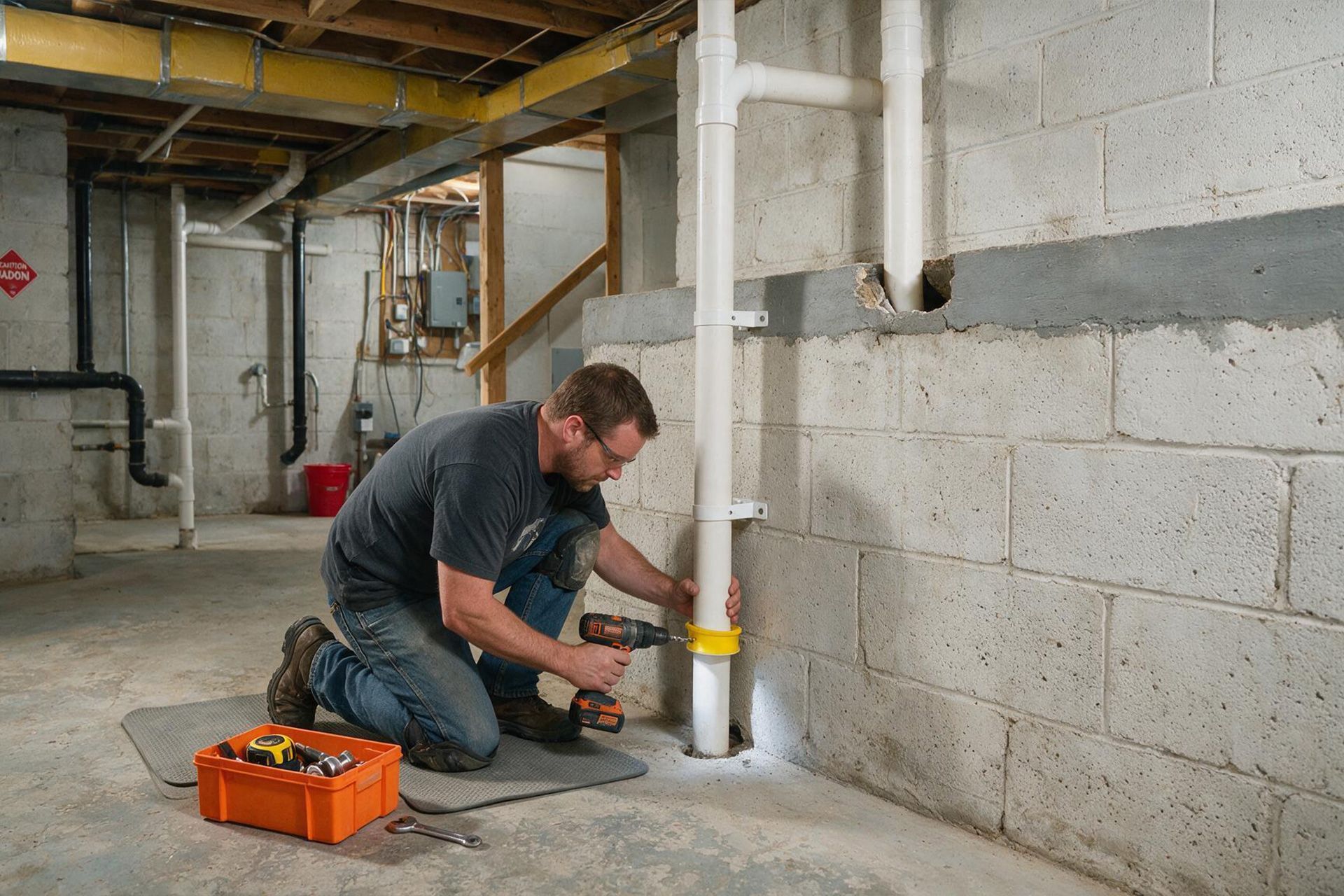
A post-installation test confirms whether new equipment lowered the indoor concentration. EPA guidance says this check should occur within 30 days of installation, but no sooner than 24 hours after the system starts operating.
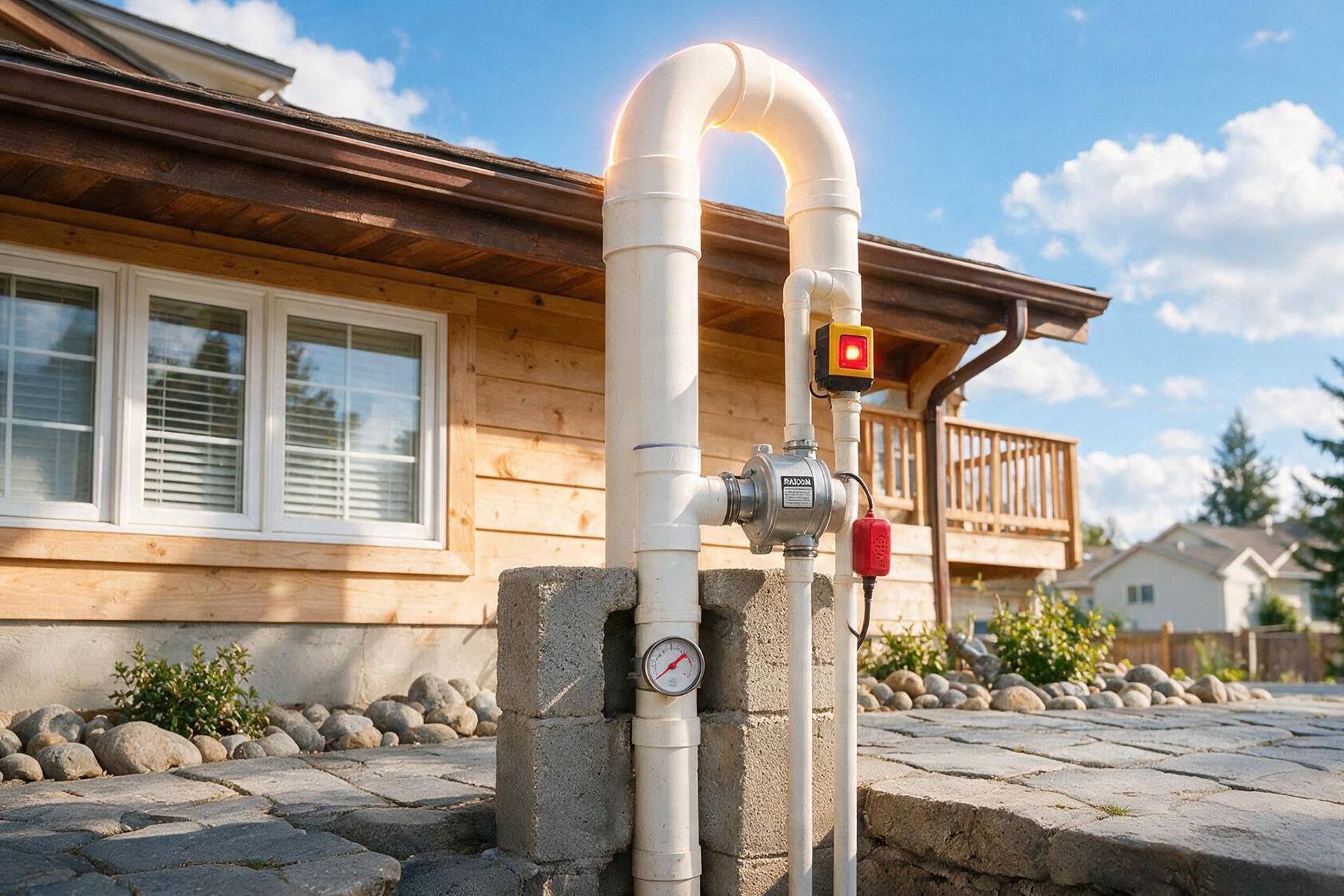
Test again after major repairs, fan replacement, vent changes, or work around a sump cover or suction point. Continue checking every two years even when the pressure gauge looks normal. The gauge shows fan suction, not the amount of radon in the living space.
Why Can Levels Change?
Radon comes from the natural breakdown of uranium in soil and rock. It can enter through foundation cracks, construction joints, sump openings, utility gaps, crawlspace soil, and other pathways.
Several conditions may change the indoor concentration:
- Foundation movement: Settling can create cracks or enlarge openings, giving soil gas a new path indoors.
- Weather and seasons: Rain, frozen soil, wind, and temperature differences can affect soil pressure and building airflow.
- Mechanical equipment: Furnaces, fireplaces, exhaust fans, and ventilation equipment can change pressure inside the home.
- Renovations and occupancy: New rooms, walls, floors, or use of a lower level can affect airflow and exposure.
A neighbor’s result cannot define your risk. Measurements can vary between nearby properties. Elevated levels have also been found in all 83 Michigan counties, so location alone cannot confirm whether an individual property has a problem.
Short-Term and Long-Term Tests
A short-term device usually remains in place for a few days to several weeks. It offers a faster snapshot and is often used for an initial check, a real estate transaction, or confirmation after system work.
A long-term device stays in the home for more than 90 days. Because indoor concentrations rise and fall, this method may provide a better estimate of the year-round average.
Choose the method based on your goal:
- Short-term testing: Useful when you need timely information. Follow closed-house instructions carefully.
- Long-term testing: Helpful when you want a broader view across changing weather and household conditions.
- Professional measurement: Appropriate for real estate deadlines, unusual layouts, disputed results, or system evaluation.
Always follow the device directions. Poor placement, open windows, or moving the device can affect the result. EPA guidance states that approved devices can provide reliable information when they are used correctly.
Create a Simple Testing Schedule
Use these reminders:
- Test when moving into a property or when the available report is outdated.
- Repeat the test at least every two years.
- Check after remodeling, foundation work, or HVAC changes.
- Test a lower floor when it becomes living space.
- Verify results after installing or repairing reduction equipment.
- Save every report for future comparison.
A calendar reminder can help you stay consistent.
Make Radon Awareness Part of Home Care
For most homes, checking at least every two years is a sensible schedule. Test sooner after property changes, new occupancy patterns, or system work. A newer home, a low previous result, or operating reduction equipment does not remove the need for future measurements.
Elevate Radon Defense helps property owners understand their results and decide whether further evaluation or a property-specific reduction plan is appropriate. Our team serves Macomb, Oakland, Washtenaw, and Wayne counties.
Contact us to schedule a radon consultation and take a clear, informed next step for your home.
Frequently Asked Questions
Do I Need to Test Every Year?
Annual testing is not generally required for every home. A two-year schedule is commonly recommended in Michigan. Test sooner after remodeling, structural changes, equipment problems, or a change in how the lowest level is used.
Should I Test During a Particular Season?
You can test during any season when you can follow the device instructions. Winter may make closed-house conditions easier to maintain, but a properly completed test at another time can still provide useful information.
Does a Low Result Mean I Never Need to Test Again?
No. A low result describes conditions during one measurement period. Foundation settling, weather, mechanical changes, and remodeling can affect future levels, so continue with a regular schedule.
How Often Should a Home With a Radon System Be Checked?
Test the indoor level at least every two years and after major repairs or building changes. Inspect the warning device regularly because it serves a different purpose from an indoor measurement.
Should I Test Before Finishing My Basement?
Yes. Test before work begins so the result can guide the project. Test again after construction because new walls, flooring, ventilation, and occupancy patterns may change indoor conditions.
Disclaimer: The information on this website and blog is for general informational purposes only and is not professional advice. We make no guarantees of accuracy or completeness. We disclaim all liability for errors, omissions, or reliance on this content. Always consult a qualified professional for specific guidance.
Recent Posts