What to Expect During Radon Mitigation
An elevated radon result can feel stressful, but the correction process is usually clear. A qualified contractor studies the building and designs a system that draws soil gas away before it reaches occupied rooms.
Understanding the process helps you prepare and maintain the equipment.
Reviewing the Test Results
The process begins with reliable test results. Radon is measured in picocuries per liter, written as pCi/L. The U.S. Environmental Protection Agency recommends taking action when a confirmed result is 4 pCi/L or higher. The contractor may review the test location, test length, building conditions, and testing instructions.
The technician will also ask how the property is used. A finished basement, lower-level office, or rental unit may affect the plan. Testing data should guide the work, not assumptions about the neighborhood or building age.
Inspecting the Property
The contractor first examines the foundation and accessible areas. A property may have a basement, slab-on-grade foundation, crawlspace, or a combination of these features. Mixed foundations can require more than one suction point.
The inspection may cover:
- Foundation conditions: The technician looks for cracks, floor drains, sump pits, utility openings, and joints where soil gas may enter.
- Possible pipe routes: The contractor plans a path from the lowest level to a safe outdoor discharge point.
- Electrical access: An active radon reduction system uses a fan that runs continuously and needs a suitable power source.
- Exterior clearances: The exhaust must release gas where it will not easily return through building openings.
Michigan does not license or regulate radon contractors. The state encourages choosing professionals certified through the National Radon Proficiency Program or National Radon Safety Board.
Diagnostic Testing and System Design
Some properties need diagnostic testing. The contractor may drill a small test hole and measure pressure or airflow beneath the slab. This shows how easily air moves through the material below the foundation.
The results help determine suction point locations, the correct fan, and whether foundation sections must be connected. A larger fan is not automatically better. The equipment should fit the foundation, soil conditions, pipe layout, and starting level.
Preparing for Installation
The contractor will explain which areas must remain accessible. You may need to move storage away from a sump pit, basement wall, crawlspace entrance, or planned pipe route. Keep children and pets away from the work zone.
Installation may involve drilling concrete, cutting pipe, sealing openings, and mounting a fan. Expect temporary noise and some dust. The crew should protect nearby surfaces and clean the work area.
Creating the Suction Point and Vent Route
The most common technique is active soil depressurization. The contractor creates one or more openings through the slab and removes a small amount of material below it. This forms a suction point where soil gas can be collected.
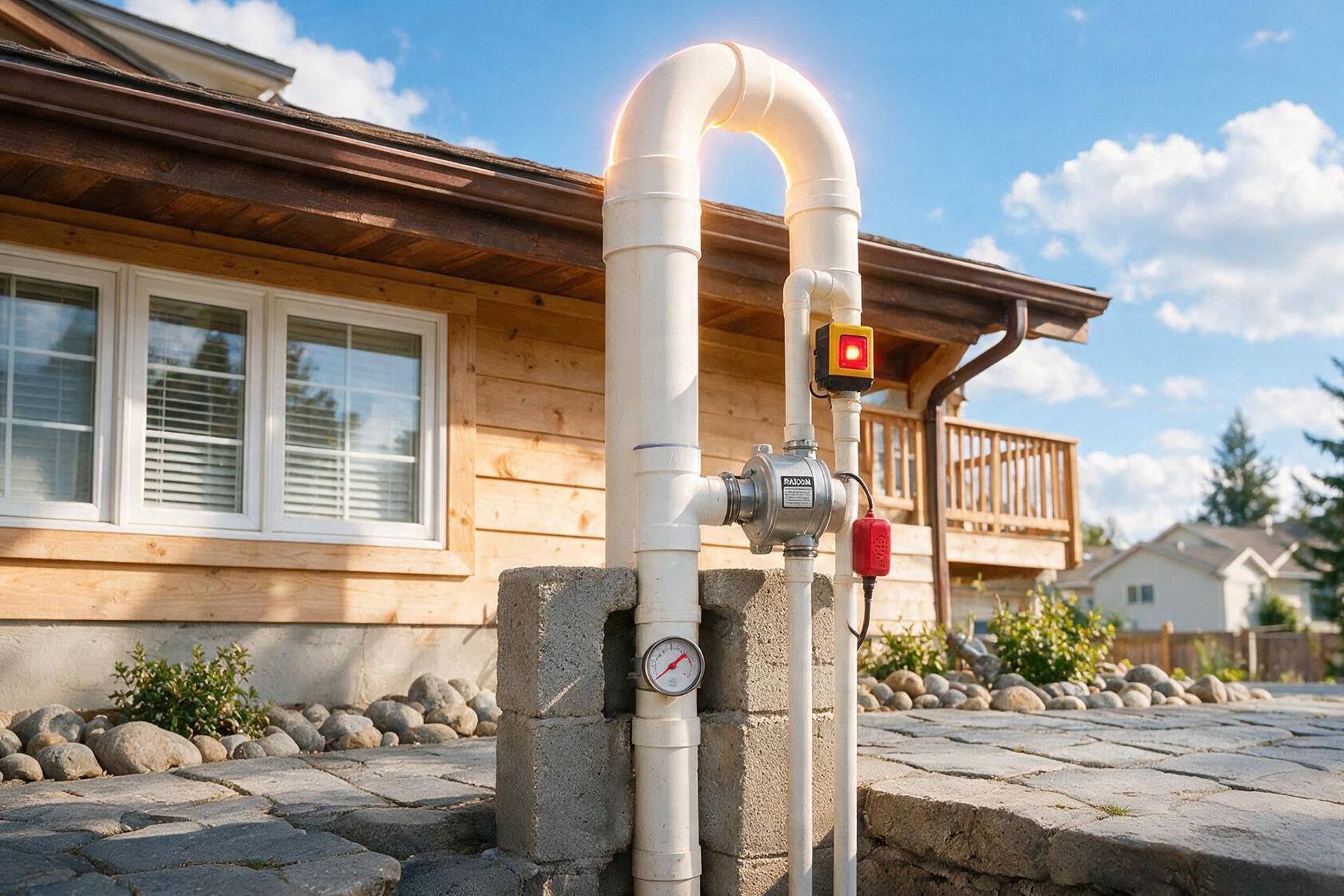
A gas-tight pipe connects the opening to a fan. Lower pressure beneath the foundation draws radon toward the pipe instead of into indoor air. The pipe carries the gas to an approved outdoor discharge location. The EPA generally recommends methods that prevent radon from entering the building.
Piping may run through a garage or unoccupied attic, or along an exterior wall. The fan should not be placed in or below a livable area. Keeping it outside occupied space reduces the chance that an exhaust-side leak could release concentrated gas indoors.
Sealing Openings and Crawlspaces
Sealing supports the main reduction method, but it is rarely a complete solution by itself. The contractor may seal around the suction pipe, sump cover, plumbing openings, accessible cracks, and other major gaps.
The goal is better pressure control, not a perfectly airtight foundation. A crawlspace may also require a durable membrane over exposed soil. The material is sealed at seams, walls, supports, and pipe openings, and a suction pipe draws gas from beneath it.
Installing the Fan and Warning Device
The fan is installed outdoors, in a garage area, or in an unconditioned attic. It must be powered according to local code and should run continuously.
Most active systems include a manometer or another warning device. A manometer is a small pressure gauge attached to the pipe. It shows whether the fan is creating suction, but it does not measure the indoor radon level.
Before leaving, the contractor should:
- show you the normal gauge reading and fan sound;
- label the main system components;
- explain what an alarm or unusual reading means; and
- provide operating, maintenance, and warranty information.
EPA guidance says active systems should include an easily noticed warning device, and electrical work must follow local codes.
Completing the Follow-Up Test
Testing confirms whether the installation is working. EPA guidance states that a post-installation test should be completed within 30 days, but no sooner than 24 hours after the system begins operating. A two- to seven-day measurement is recommended for this check.
Place the device in the lowest regularly occupied level or another suitable location. Avoid setting it beside the fan, vent pipe, an open window, or a strong airflow source.
If the result remains elevated, the contractor may inspect seals, adjust the design, add a suction point, or address another foundation section. Success should be based on an indoor test, not only on whether the fan turns on.
What Happens After Installation?
Check the warning gauge regularly and learn the normal fan sound. Contact a service professional if the gauge becomes level, the alarm activates, the fan stops, or unusual noise develops.
Retest at least every two years and after major remodeling or foundation work. The EPA states that radon reduction systems need occasional maintenance and recommends regular retesting.
Keep the system diagram, test results, warranty, and service records for future repairs, sales, or renovations.
Conclusion
Radon mitigation may include test review, a property inspection, diagnostic testing, suction-point installation, vent piping, sealing, fan setup, and a follow-up measurement. The exact design depends on the foundation and how air moves beneath the property.
You should not have to guess about radon inside your home or business.
Elevate Radon Defense helps homeowners and business owners understand their test results and choose a radon reduction solution suited to their property. Our team serves Macomb, Oakland, Washtenaw, and Wayne counties.
Speak with our specialists to review your concerns and plan the appropriate next steps for healthier indoor air.
Frequently Asked Questions
How Long Does System Installation Take?
Many standard projects can be completed during one visit, but the schedule depends on the foundation, pipe route, number of suction points, crawlspace work, electrical needs, and access. The contractor should explain the timeline after inspecting the property.
Will the Equipment Be Visible Inside the Building?
Some components will be visible. A pipe and pressure gauge are usually placed near the suction point, and piping may pass through a utility room, garage, or another practical area. A careful design should limit changes to finished spaces.
Is the Fan Supposed to Run All the Time?
Yes. The fan in an active soil suction system should operate continuously. Turning it off stops the pressure difference that draws soil gas away from the foundation. Check the warning device and request service if the fan stops.
Can Sealing Foundation Cracks Fix the Problem Alone?
Usually not. Sealing visible cracks can improve pressure control, but hidden openings and future foundation movement make sealing alone unreliable for many properties. Soil suction addresses the gas before it enters occupied areas.
Can I Remodel the Basement After Installation?
Yes, but discuss the project with the system contractor first. New walls, flooring, drainage work, or a foundation addition can affect airflow, access, and performance. Retest the building after major changes are complete.
Disclaimer: The information on this website and blog is for general informational purposes only and is not professional advice. We make no guarantees of accuracy or completeness. We disclaim all liability for errors, omissions, or reliance on this content. Always consult a qualified professional for specific guidance.
Recent Posts